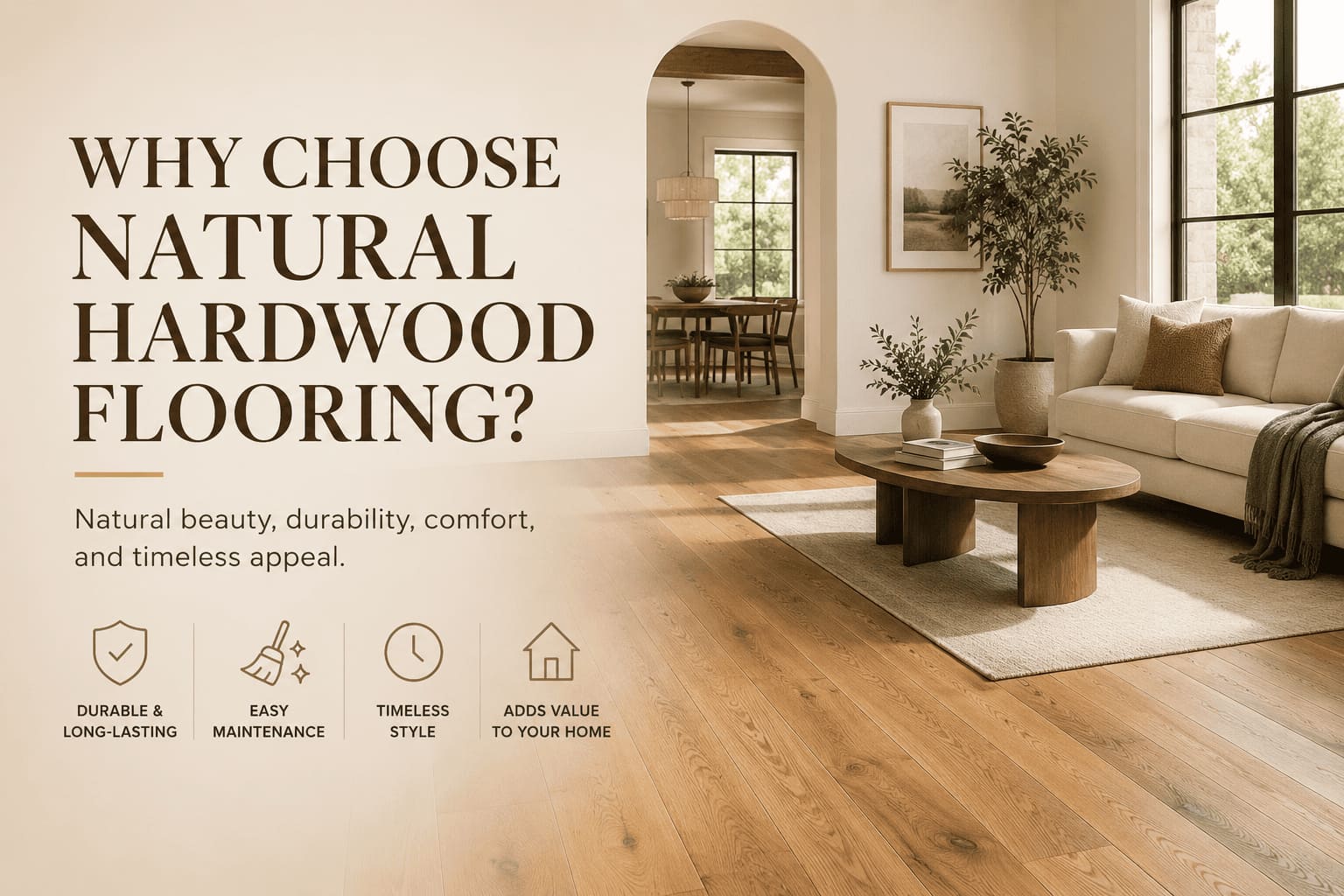
Choosing the right wood flooring colour can completely change the feeling of a home. Light, medium, whitewashed, grey, brown, dark, warm, or cool tones can all create very different interior effects.
The right floor colour should not only look beautiful on its own. It should also work with your room size, natural light, furniture, wall colour, lifestyle, and overall decoration style.
Whether your home is Nordic, Bohemian, Coastal, Rustic, Shabby Chic, Luxury, Urban, or Minimalist, the floor colour should help create balance and harmony in the space.
1. Choose Flooring Colour Based on Natural Light
Natural light is one of the first things to consider when choosing a wood floor colour.
For rooms with limited natural light, lighter flooring colours are usually a safer choice. Pale oak, light beige, soft natural timber, whitewashed tones, and light grey floors can help make the room feel brighter and more open.
In darker rooms, it is also better to choose a floor with a cleaner and simpler grain pattern. If the texture is too busy or the colour variation is too strong, the room may feel smaller and more crowded.
For rooms with good natural light, you have more flexibility. Both light and dark wood floors can work well. A bright room can handle richer brown tones, smoked oak, walnut colours, or deeper timber shades without feeling too heavy.
2. Choose Flooring Colour Based on Room Size
Room size also affects how flooring colour feels.
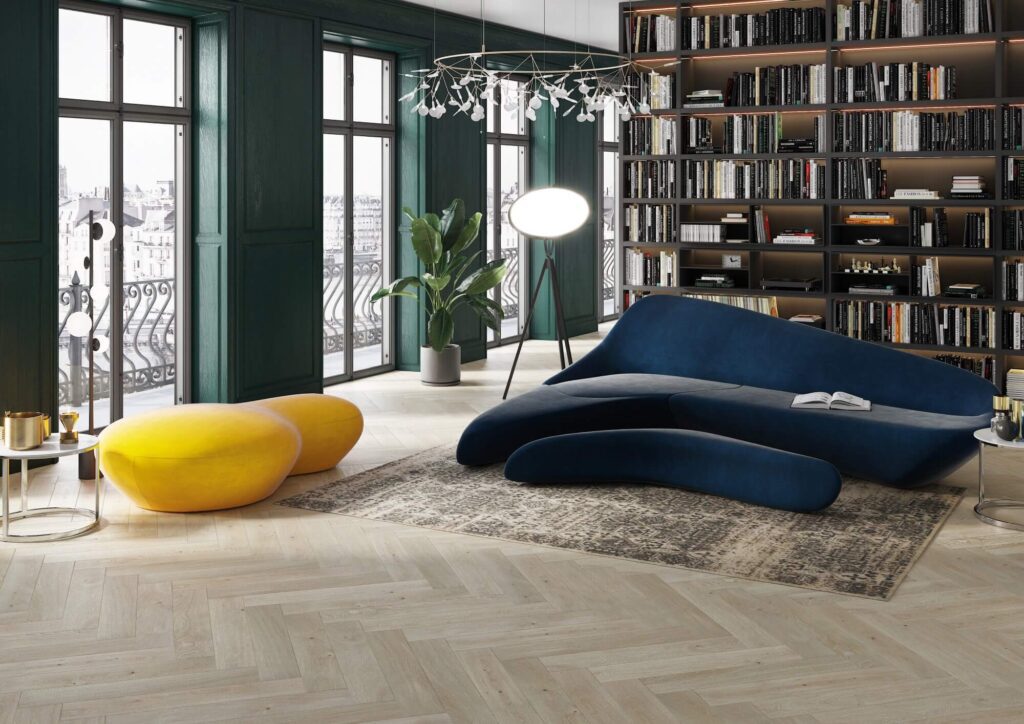
For smaller rooms, light-coloured flooring is often recommended. Light oak, soft beige, whitewashed wood, and pale grey tones can help create a sense of space and make the room feel more open.
Fine or subtle grain patterns also work better in compact rooms because they create a cleaner visual effect.
For larger rooms, medium or darker wood flooring can be a good choice. Warmer brown tones, smoked oak, or deeper timber colours can make a large space feel more grounded, comfortable, and complete.
In open-plan areas, mid-tone wood floors are often the most practical option because they provide warmth without making the room feel too dark.
3. Choose Flooring Colour Based on Interior Style
Different interior styles work better with different flooring colours.
Nordic Style
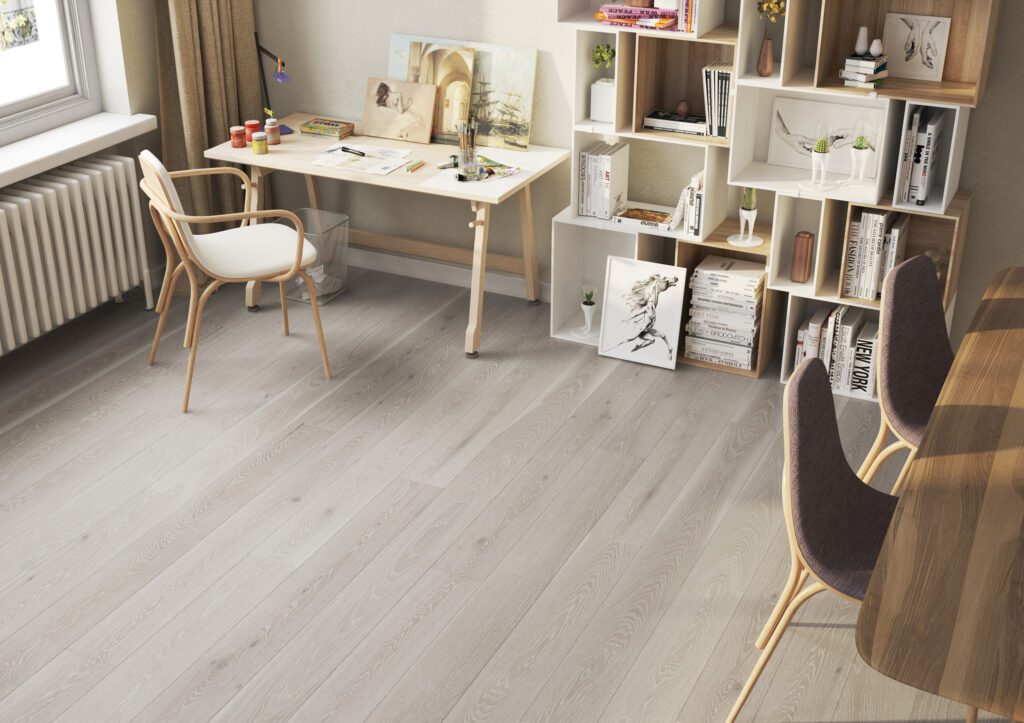
Nordic interiors usually suit light wood flooring, such as natural oak, pale beige, whitewashed timber, or soft grey tones.
These colours help create a clean, calm, and bright atmosphere. If you want a warmer Nordic look, choose light natural oak. If you prefer a cooler and more modern Nordic look, choose grey or whitewashed flooring.
Minimalist Style
Minimalist interiors work well with simple and clean flooring colours. Light oak, warm beige, pale grey, or natural timber tones can create a quiet and refined atmosphere.
Avoid overly busy grain patterns or strong colour contrasts. The floor should support the simplicity of the space, not dominate it.
Coastal Style
Coastal interiors usually suit light, fresh, and relaxed floor colours. Whitewashed oak, pale timber, soft sand tones, and light grey floors can create a beach-inspired feeling.
These colours work well with white walls, linen fabrics, rattan furniture, soft blue accents, and natural textures.
Bohemian Style
Bohemian interiors can work with warmer and more expressive timber tones. Natural oak, honey brown, mid-brown, or character-grade flooring can add warmth and personality.
Because Bohemian interiors often use layered textiles, plants, artwork, and mixed furniture, the floor should feel natural and warm rather than too polished or cold.
Rustic Style
Rustic interiors suit floors with more character. Warm brown, smoked oak, distressed finishes, brushed textures, and visible grain patterns can create a natural and lived-in feeling.
A rustic floor does not need to look perfect. Knots, variation, and texture can add charm and authenticity.
Shabby Chic Style
Shabby Chic interiors usually work well with soft, faded, and gentle floor colours. Whitewashed timber, pale oak, light grey, or slightly aged finishes can create a romantic and relaxed appearance.
These floors pair well with soft white furniture, vintage pieces, linen fabrics, and pastel colours.
Luxury Style
Luxury interiors often suit richer and more refined floor colours. Deep brown, smoked oak, walnut tones, herringbone patterns, or wide plank flooring can create a more premium feeling.
For a modern luxury look, choose a floor with elegant texture and controlled colour variation. Pair it with stone, metal, soft lighting, and high-quality furniture.
Urban Style
Urban interiors can work well with grey, smoked, dark brown, or industrial-inspired wood flooring.
These colours pair well with concrete, black metal, leather, exposed brick, and modern furniture. A mid-grey or smoked oak floor can help create a stylish city apartment look.
4. Choose Flooring Colour Based on Practical Use
A floor colour should suit the way you live.
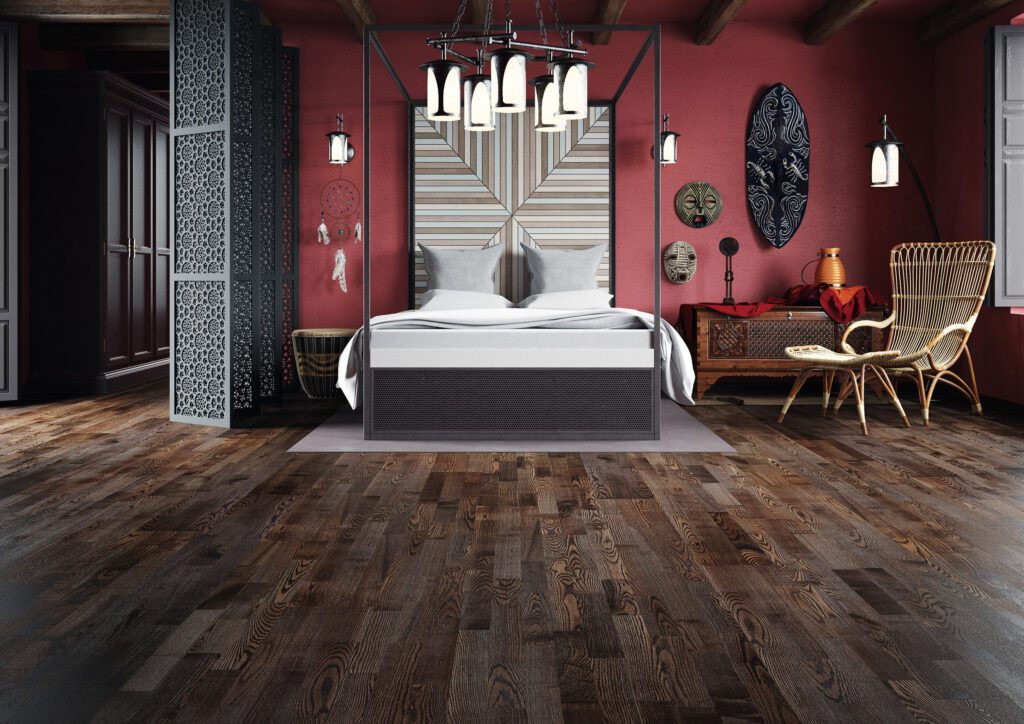
Many people think dark floors are easier to keep clean, but this is not always true. Very dark floors can show dust, lint, footprints, pet hair, and water marks more easily.
Very light floors can also show some stains, but they often hide dust better than dark floors. For many homes, a light to medium wood tone is the most practical choice.
Mid-tone oak, natural timber, warm beige, and soft brown floors are often easier to maintain visually because they hide everyday dust and small marks better than extreme dark or extreme white floors.
If you have children, pets, or a busy household, it is usually better to choose a natural wood tone with some grain and texture. This can help reduce the visibility of small scratches and everyday wear.
5. Choose Flooring Colour Based on Room Function
Different rooms have different needs.
Living Room
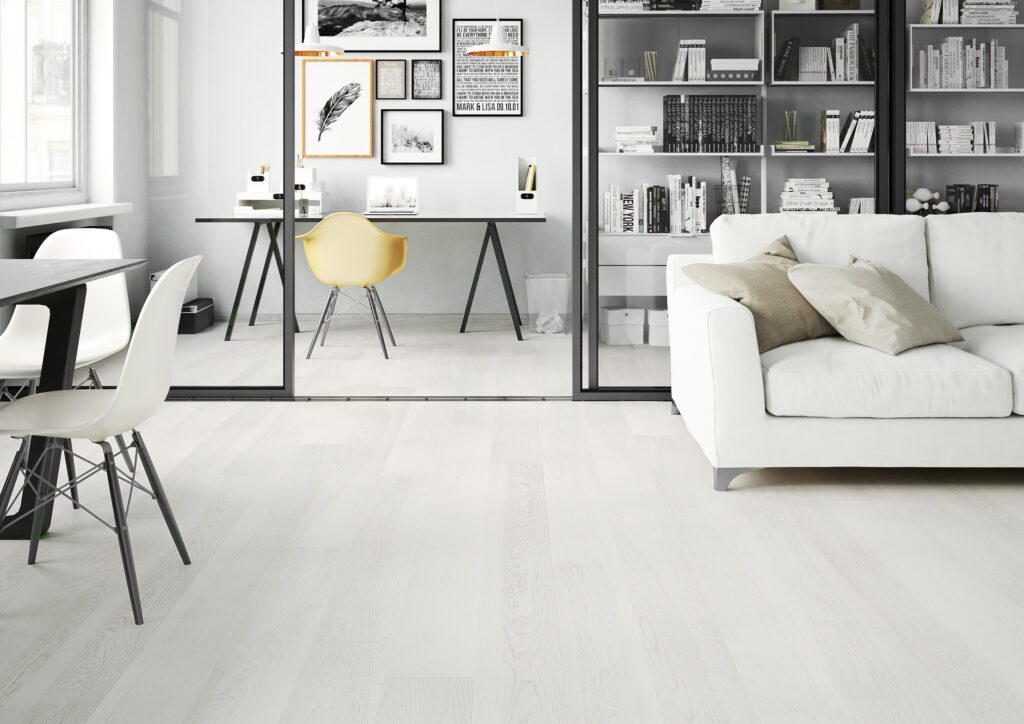
The living room is usually one of the most open and frequently used areas in the home. A floor with natural grain and a soft, warm colour can create a bright and harmonious atmosphere.
Light oak, natural timber, warm beige, or mid-tone brown floors often work well in living rooms because they suit many furniture styles and wall colours.
Bedroom
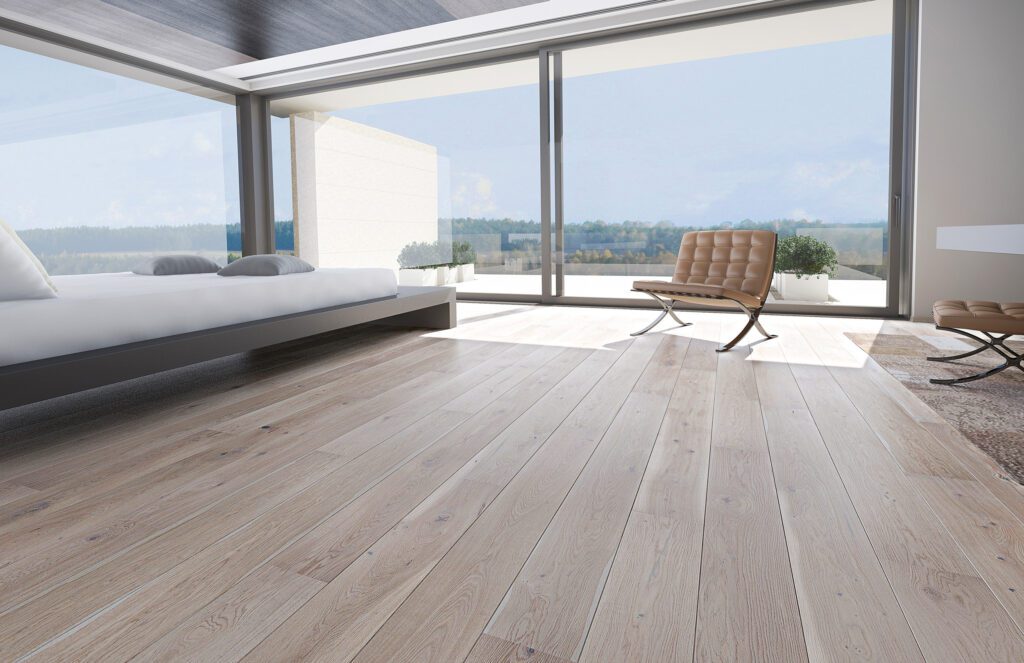
The bedroom should feel calm, warm, and comfortable. Warm neutral tones, soft oak, light brown, or slightly deeper timber colours can help create a relaxing environment.
A slightly darker bedroom floor can make the room feel more restful and cosy, especially when combined with soft lighting and neutral bedding.
Children’s Rooms and Elderly Rooms
For children’s rooms and elderly rooms, soft warm floor tones are usually a good choice. These colours can make the space feel gentle, comfortable, and welcoming.
Avoid very dark or overly cold floor colours if the goal is to create a soft and relaxing atmosphere.
Kitchen and Open-Plan Areas
For kitchens and open-plan living spaces, colour should be considered together with product suitability and maintenance.
Light to medium wood tones are popular because they create a clean and warm look while connecting the kitchen, dining, and living areas. However, the flooring product should be suitable for the intended use area and installed according to the manufacturer’s instructions.
6. Popular Colour Combinations with Light Wood Flooring
Light wood flooring is one of the most versatile choices. It can work with many interior styles and colour palettes.
Pink, White and Light Wood
Soft pink, white, and light wood flooring can create a gentle and warm interior. However, pink should be used carefully. It is usually better as an accent colour rather than the main colour of the whole space.
Natural Wood and Grey White
Natural wood flooring with grey-white walls creates a clean, simple, and fresh look. This combination works well for Nordic and Minimalist interiors.
Avoid using too many heavy decorations or very dark furniture if you want to keep the space light and calm.
White, Blue and Light Wood
White, blue, and light wood flooring can create a fresh and relaxed interior. This is a classic combination for Coastal, Scandinavian, or soft modern homes.
The light wood floor adds warmth, while blue and white create a clean and peaceful feeling.
White, Green, Blue and Light Wood
White walls, grass green accents, soft blue details, and light wood flooring can make a space feel lively, fresh, and youthful.
This combination works well in casual living spaces, children’s rooms, or relaxed family homes.
Light Blue Walls, White Fabric and Light Wood
Light blue walls, white fabric furniture, and light wood flooring create a soft and elegant bedroom atmosphere.
This combination feels fresh, calm, and comfortable. It is especially suitable for bedrooms, reading corners, or quiet living spaces.
White Storage and Light Wood
White cabinetry or storage paired with light wood flooring creates a simple and clean look. This works well in modern apartments, Nordic interiors, and minimalist homes.
White Walls, Light Wood and Japanese Accessories
White walls, light wood flooring, cotton or linen fabrics, wooden hangers, and simple Japanese-style accessories can create a calm Muji-inspired interior.
This style works best when the design is simple, natural, and uncluttered.
Final Thoughts
Choosing the right wood flooring colour is not about following trends. A popular colour is not always the right colour for your home.
The best floor colour should suit your natural light, room size, furniture, wall colour, lifestyle, and interior style. It should make the home feel balanced, comfortable, and personal.
Light floors can make a space feel brighter and more open. Medium tones are practical and versatile. Dark floors can feel elegant and dramatic but may require more careful maintenance. Grey and whitewashed tones can create a cool modern look, while natural oak and warm brown tones bring comfort and timeless appeal.
Before making a final decision, view flooring samples in your own home under natural and artificial light. The same floor can look very different depending on the room.
A well-chosen wood floor colour can bring warmth, style, and long-lasting beauty to your home.