Family floors in New Zealand have to deal with a lot: wet shoes at the door, sandy feet after the beach, chair movement, pets, toys, dropped food, and everyday spills.
For this reason, many homeowners compare SPC hybrid flooring, laminate flooring, and wood flooring when choosing a practical floor for family life. The best flooring choice is not only about showroom appearance. It is also about how each product performs in real homes under normal daily use.
Three options often appear on the shortlist for family homes:
SPC hybrid flooring
Laminate flooring
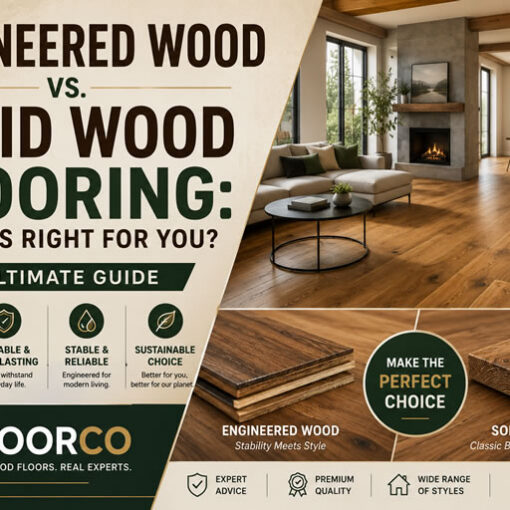
Wood flooring, including solid timber and engineered wood
Each option can look excellent. The differences usually appear in how they handle moisture, scratches, dents, impact, noise, maintenance, comfort, and the pace of everyday family life.
What Family Life Asks of a Floor
In many New Zealand homes, the floor is the main living surface. Children sit on it, build on it, slide across it, drag toys over it, and occasionally test gravity with a full drink.
Add pets, open-plan layouts, indoor-outdoor movement, and regular cleaning, and the floor specification starts to matter.
A practical family floor usually needs:
good resistance to everyday scratches and wear
reasonable dent and impact resistance
good tolerance for everyday moisture and cleaning
dimensional stability under normal indoor conditions
a surface that is easy to clean and maintain
a look that still suits the home after years of use
Looks still matter, but durability and maintenance are what help protect the look over time.
SPC Hybrid Flooring: A Practical Option for Busy Family Homes
SPC hybrid flooring, or Stone Plastic Composite flooring, is built around a rigid mineral-filled core. Compared with many timber-based flooring products, SPC is generally less sensitive to everyday moisture exposure and can be easier to maintain in busy households.
Most SPC hybrid products are click-lock planks with a decorative surface layer, wear layer, rigid core, and attached backing in many ranges.
For homes with children, pets, spills, and regular foot traffic, SPC hybrid flooring can feel easier to live with because it usually requires less day-to-day maintenance than timber-based flooring products.
However, SPC should not be treated as a problem-free product. Its performance still depends on product quality, wear layer thickness, locking strength, subfloor preparation, expansion allowance, temperature exposure, sunlight exposure, and correct cleaning.
Because SPC hybrid flooring is rigid, the quality of subfloor preparation can strongly affect how the floor feels, sounds, and performs underfoot.
Why Families Often Choose SPC Hybrid Flooring
The benefits are practical rather than magical.
SPC hybrid flooring can offer:
Good water-resistant core performance in everyday household situations such as splashes, wet footprints, water bowls, and damp mopping.
Lower formaldehyde concern than HDF-based laminate flooring because SPC does not use an HDF wood-fibre core in the same way.
Good fire-resistance potential compared with many timber-based flooring products, subject to product-specific testing and documentation.
Good everyday dent resistance compared with many softer timber-based flooring products, depending on construction and use conditions.
Simple cleaning, usually involving sweeping, vacuuming, and damp mopping with a suitable cleaner.
That said, SPC hybrid flooring is not maintenance-free and should not be described as a completely waterproof flooring system. The rigid core is highly water-resistant, but joints, edges, perimeters, wet-area detailing, attached backing, substrate moisture, and installation quality still matter.
SPC may also be more sensitive to heat build-up and strong direct sunlight than laminate or timber flooring. Correct expansion allowance, shading, colour choice, and installation guidance should be considered carefully in sun-exposed rooms.
Laminate Flooring: Still a Strong Contender, with a Clear Boundary
Laminate flooring has improved significantly in recent years. Better laminate products can look close to timber and many ranges provide strong wear performance at a competitive price point.
For families working within a tighter budget, laminate flooring can deliver a strong visual upgrade quickly.
The key limitation is usually the core. Most laminate flooring products use an HDF, or high-density fibreboard, base. When water enters the joints and remains there, swelling can occur.
Some laminate products include water-resistant edge treatments, tighter locking systems, or water-repellent technology, which can improve performance. However, standing moisture should still be controlled unless the product is specifically designed and rated for that type of exposure.
Laminate flooring often suits:
bedrooms
studies
living rooms
low-moisture hallways
homes where moisture can be managed carefully
Laminate can also perform very well for surface scratch resistance and everyday wear, especially where the product has a strong wear rating and a quality melamine surface.
However, laminate can sound sharper or more hollow underfoot if the wrong underlay is used, the subfloor is uneven, or installation is rushed.
Wood Flooring: Warmth, Value, and More Care
Wood flooring feels different. It is warmer underfoot, offers natural character, and can add a premium appearance that printed flooring products cannot fully reproduce.
In New Zealand homes, homeowners are usually choosing between:
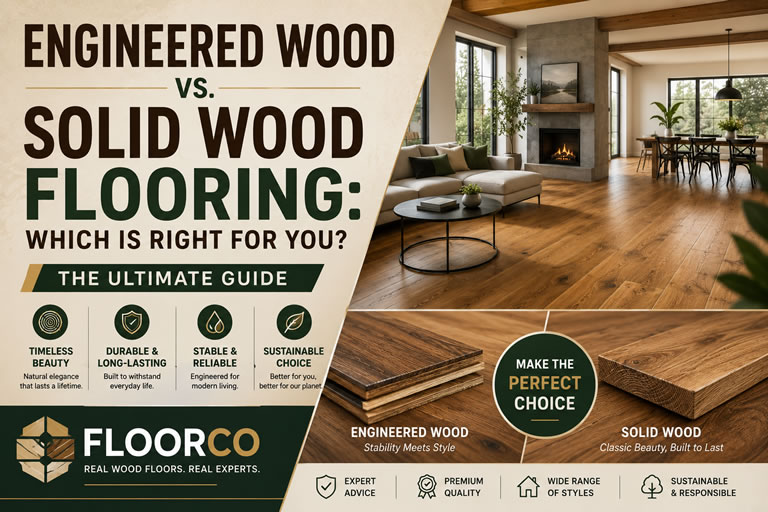
solid timber flooring
engineered wood flooring
Solid timber provides a traditional natural timber floor, but it is more sensitive to moisture and seasonal movement.
Engineered wood is often the more practical timber option for many busy homes because it is built in layers, which can improve dimensional stability compared with many solid timber applications.
However, engineered wood still reacts to water, humidity, temperature, and sunlight. Correct installation, indoor conditions, expansion allowance, maintenance, and moisture control remain important.
A few realities for families:
Timber can dent when toys drop or furniture shifts.
Water can mark the surface if spills are not wiped promptly.
Some finishes show wear faster than others.
Repairability is a strength, but sanding and recoating are still a project.
If you love the feel of real wood and are willing to be consistent with care, wood flooring can be a rewarding option.
Side-by-Side Comparison for New Zealand Family Homes
The table below compares SPC hybrid flooring, laminate flooring, and wood flooring in relative terms. These are general comparisons only. Actual performance depends on the specific product, product rating, installation method, site conditions, and ongoing maintenance.
| Criteria | SPC Hybrid Flooring | Laminate Flooring | Wood / Engineered Wood Flooring |
|---|---|---|---|
| Water resistance | Generally stronger water resistance for everyday spills and wet footprints, subject to correct installation and maintenance | Moderate to good depending on product range; joints should be protected from standing moisture | Moderate; spills should be wiped promptly |
| Scratch resistance | Good with a quality wear layer, but generally lower than high-quality laminate | Often strong, depending on wear rating and surface finish | Varies by timber species and finish |
| Dent / impact resistance | Generally better than solid timber, but usually lower than high-quality laminate | Often good, depending on product quality; heavy point loads may still mark | Varies; softer timbers can dent more easily |
| Stability in open-plan areas | Generally stable when installed over a flat, dry, well-prepared subfloor | Good, subject to product and installation conditions | Engineered wood is generally more stable than solid timber |
| Subfloor flatness requirement | Very important; rigid structure can show subfloor issues | Important | Important, especially for floating or glue-down systems |
| Heat sensitivity | Can be more sensitive to heat build-up and strong sunlight | Usually less heat-sensitive than SPC, but still affected by sunlight and humidity | Affected by humidity, temperature, and sunlight |
| Cleaning routine | Simple routine; avoid standing water and unsuitable chemicals | Simple routine; keep moisture controlled | Gentle routine; avoid excess moisture |
| Underfoot feel | Dense, firm, and usually cooler | Firmer and often warmer than SPC | Warmest and most natural |
| Surface realism | Timber-look surface, but usually lower realism than laminate and real wood | Often strong timber-look realism depending on range | Highest natural authenticity |
| Best use | Busy family zones, entries, kitchens, laundries where suitable | Bedrooms, studies, living areas, dry hallways | Living areas, bedrooms, feature spaces, and homes prioritising natural timber character |
The Real-Life Factors That Change the Answer
Specifications are useful, but daily routines often decide whether you enjoy living with a floor.
After thinking about water resistance and wear, consider these practical points:
prams, scooters, and ride-on toys
dogs running around corners
children doing crafts on the floor
dining spills and chair movement
wet-weather entryways
regular cleaning habits
large windows and direct sunlight
how often the room connects to outdoor areas
If these are normal in your home, it is easy to see why many families consider a water-resistant rigid core flooring product such as SPC hybrid flooring.
However, if the main concern is scratch resistance in dry areas, high-quality laminate flooring may be the stronger choice. If natural warmth, texture, and long-term character are the priority, engineered wood or solid timber may be more suitable.
Choosing by Room, Not Just by Product
Most New Zealand family homes have a few higher-risk zones. Choosing one flooring type for the whole house can look clean and consistent, but it is not always the most practical approach.
Some families mix materials to match the demands of each space while keeping the overall look consistent through colour, tone, plank size, and finish.
A room-by-room way to think about it:
Entry and hallway: prioritise grit resistance, cleaning, moisture tolerance, and scratch resistance.
Kitchen and dining: plan for spills, frequent cleaning, dropped utensils, and chair movement.
Living room: balance comfort, noise control, scratch resistance, and appearance.
Bedrooms: comfort first, with durability still important.
Bathrooms and laundries: treat as wet areas and choose flooring according to product suitability, installation requirements, and Building Code considerations.
SPC hybrid flooring is often a practical option for entries, kitchens, laundries, and busy family zones where water exposure, grit, and frequent cleaning are more likely.
Laminate can work well in bedrooms, studies, living areas, and lower-moisture areas.
Wood and engineered wood can be excellent choices in living areas and bedrooms where warmth, natural texture, and long-term character are priorities.
This does not mean one product can only be used in one type of room. It means the product choice should reflect the way each space is used.
Comfort, Acoustics, and Indoor Health
Families notice sound. Hard floors reflect noise, and open-plan layouts can amplify it. Underlay quality, plank thickness, subfloor structure, ceiling construction, and installation details all affect how quiet or firm a floor feels.
SPC hybrid flooring is rigid, so it can feel firm underfoot. Many products include an attached backing that can improve comfort and reduce walking sound. However, SPC generally has lower thermal resistance than laminate and timber flooring, so it may feel cooler underfoot, especially over concrete substrates or in colder rooms.
Laminate flooring can benefit from a quality acoustic underlay, especially upstairs or in apartments. It often feels warmer and more plank-like than SPC because of its thickness and HDF core.
Timber flooring generally has a naturally warmer and more authentic feel, although the final result still depends on subfloor structure, product construction, and installation method.
Indoor air also matters, especially when children spend time on the floor. Look for clear product information on emissions, formaldehyde classification, VOC information, adhesives, underlay materials, and recommended ventilation steps.
SPC generally has a much lower formaldehyde concern than HDF-based laminate flooring because it does not use an HDF wood-fibre core in the same way. However, SPC is still a manufactured product, so VOC information and product certification should still be reviewed.
Cost Is More Than the Price per Square Metre
Families usually balance budget with the desire not to replace the floor too soon. A useful way to compare options is to think about value over time, not only the initial square-metre price.
SPC hybrid flooring can sit in a practical middle position: competitive upfront pricing, simple maintenance, and better tolerance of everyday moisture compared with many wood-based flooring products.
Laminate flooring can be very cost-effective in the right rooms, especially where moisture is controlled and surface scratch resistance is the main priority.
Wood flooring can cost more upfront and may require refinishing over time, but it can also offer long-term value, repairability, and a premium natural feel.
If you are planning to stay in the home long term, timber’s repair path can be appealing. If you want a practical floor with lower day-to-day maintenance, SPC hybrid flooring may be worth considering. If you want strong scratch resistance in dry family spaces, laminate flooring may provide very good value.
Installation Details That Make or Break Performance
Even the best flooring product can feel average if installation is rushed.
Click flooring systems rely on subfloor flatness, expansion allowance, correct transitions, and suitable site conditions.
A simple checklist before you commit:
Check subfloor flatness and moisture levels, especially over concrete slabs.
Match the underlay and acoustic needs to the home’s layout and noise expectations.
Plan transitions at doorways, long runs, and changes in flooring type.
Confirm expansion gaps are correct.
Understand wet-area requirements where relevant.
Check sunlight, heat exposure, and large glazing conditions.
Follow the product installation and maintenance guide.
These steps matter for all three flooring options, but they are especially noticeable with rigid products such as SPC, where subfloor issues can transfer through to the finished floor.
Where a Supplier’s Range and Stock Genuinely Help
Families often need flooring on a schedule. Renovations are timed around school holidays, move-in dates, or coordinating trades. Having access to stock and a wide selection can reduce delays and help homeowners choose based on suitability rather than availability alone.
FLOORCO is a New Zealand flooring supplier based in Auckland. Since 2015, FLOORCO has developed a broad flooring range across SPC hybrid flooring, laminate flooring, engineered wood flooring, tiles, and related flooring products.
With access to established supply networks, broad stock availability, and a large Auckland warehouse, FLOORCO can help homeowners, builders, and designers compare different flooring options more easily and choose products that suit their project needs.
If you are comparing SPC hybrid flooring, laminate flooring, and wood flooring for a family home, the fastest way to get clarity is to shortlist two or three ranges in each category, then test them against your daily life:
where spills happen
where noise matters
where cleaning is frequent
where sunlight is strongest
where wear shows first
where comfort matters most
Final Thought
The best family flooring is not always the most expensive floor or the strongest product on paper.
It is the floor that still works well after a normal family week, not just a careful one.
SPC hybrid flooring is often practical where everyday moisture, cleaning, entries, kitchens, laundries, and busy family movement are the main concerns.
Laminate flooring is often strong where surface scratch resistance, value, and a warmer plank feel are important in dry areas.
Wood and engineered wood flooring are often chosen where natural warmth, texture, repairability, and long-term character matter most.
The right answer comes from matching the product to the room, subfloor, family routine, moisture exposure, sunlight exposure, maintenance expectations, and budget.

Editor: Terry Shi
The founder of FLOORCO has a strong industry background and substantial supply chain resources.