Chevron patterns have a distinctive sense of movement, rhythm and elegance. Whether used on flooring, walls, carpets, or soft furnishings, chevron can bring structure and visual interest to an interior space.
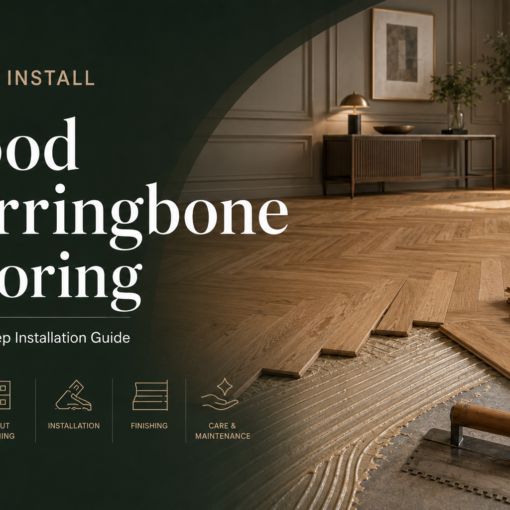
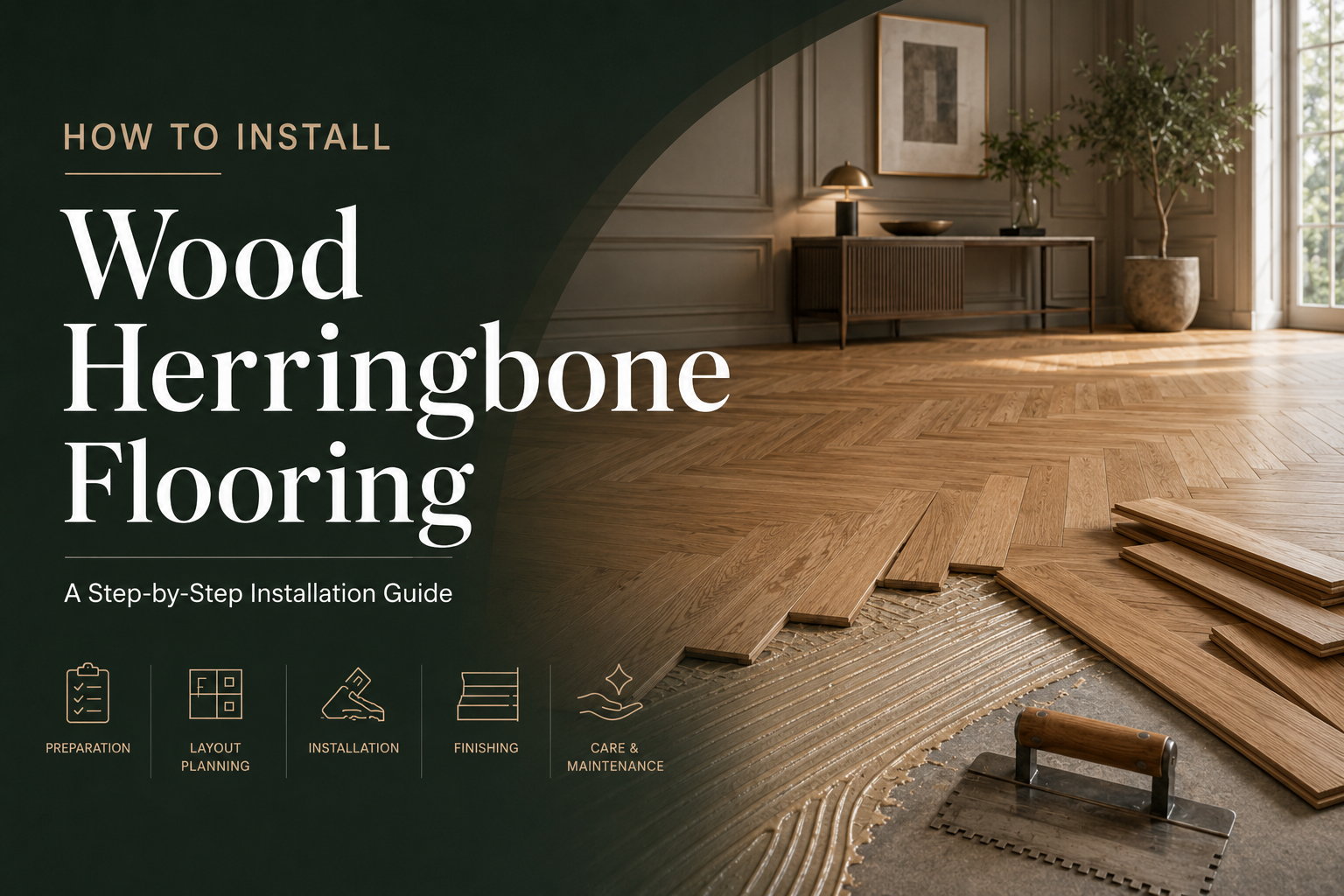
At first glance, chevron can look similar to herringbone. Both patterns create a zigzag effect, but they are not the same. Chevron pieces are usually cut at an angle so that the ends meet in a continuous “V” shape. Herringbone is usually formed with rectangular pieces that meet at a staggered angle, creating a broken zigzag pattern.
This small difference creates a very different visual effect. Chevron feels sharper, more directional and more architectural, while herringbone often feels softer, more classic and layered.
Chevron can be used in many ways. A change in direction, scale, colour or material can completely change how the pattern feels in a room. Let’s look at how chevron design can be used across different interior spaces.
Part 1: Chevron Flooring
Chevron flooring is a beautiful way to combine modern design with a classic pattern. It can make a room feel elegant, structured and full of character.
In a modern interior, chevron flooring adds a sense of craftsmanship and detail without making the space feel too busy. The clean lines of the pattern work well with minimalist furniture, soft neutral colours and contemporary styling.
Chevron flooring can also create a subtle retro feeling. When paired with darker wood tones, classic furniture or decorative lighting, it can bring depth and a more luxurious atmosphere to the room.
In spaces with bold furniture or strong decorative elements, chevron flooring can act as a refined foundation. It has enough visual interest to support the design, but it does not need to dominate the room.
Chevron and herringbone patterns both have a strong sense of order and geometry. When used with modern art, sculptural furniture or dramatic colours, they can make the space feel more expressive and sophisticated.
The contrast between chevron flooring and other materials can also be very effective. For example, a chevron timber floor next to tile, stone or glass can create an interesting balance between warmth, texture and reflection.
Part 2: Chevron on Walls
Chevron is not only suitable for floors. It can also be used on walls to create a feature surface with texture and personality.
A traditional chevron wall can give a room a slightly retro and handcrafted feeling, especially when paired with simple furniture and natural materials.
When the chevron pattern is enlarged, the effect becomes more modern and architectural. Larger chevron units can make a wall feel bold and stylish without needing strong colours or heavy decoration.
Colour can also completely change the feeling of a chevron wall. A soft neutral chevron wall feels calm and elegant, while stronger colour contrasts can make the pattern more playful, creative and contemporary.
Used carefully, chevron walls can become a focal point in living rooms, bedrooms, hallways, bathrooms or commercial interiors.
Part 3: Chevron Carpets
Chevron patterns work beautifully on carpets and rugs because they add both visual movement and softness.
A fine chevron pattern on a woven carpet can make a room feel more lively while remaining comfortable and warm. It adds detail underfoot without overwhelming the furniture or wall design.
Chevron carpets also create a link between visual texture and physical texture. The pattern is seen by the eye, but the woven surface is also felt through touch.
In a simple or conservative room, a chevron rug can prevent the space from feeling too plain. It adds quiet elegance and gives the room a more finished look.
When used with bold accessories, colourful artwork or unusual furniture, a neutral chevron carpet can help stabilise the design. It gives the room a calm foundation while allowing the stronger decorative pieces to stand out.
Mid-tone chevron rugs are especially versatile. They can work with both neutral interiors and more colourful spaces, making them a practical option for many homes.
Part 4: Chevron Fabrics
Chevron patterns are also widely used in fabrics, including cushions, bedding, curtains and upholstery.
In soft furnishings, chevron can add energy and rhythm to a room. A black, white and blue chevron fabric, for example, can make a space feel richer and more dynamic than simple straight-line patterns.
When chevron lines are arranged closely together or repeated in similar colours, the pattern can create a wave-like effect. This is especially attractive in bedding, cushions and decorative fabrics.
Black, white and grey chevron fabrics are popular because they are easy to match with many interior styles. They can feel modern, clean and stylish without being too strong.
Chevron fabrics can also be used in Nordic-style interiors. Fine lines, diamond-shaped units and soft neutral colours can bring pattern into the room while keeping the overall feeling calm and balanced.
Although the chevron pattern is simple in structure, it can create many different effects through changes in colour, scale, line thickness and material.
Final Thoughts
Chevron is a timeless pattern that can be used in many parts of the home. It works well on flooring, feature walls, carpets and fabrics because it brings movement, direction and elegance to the space.
Compared with plain surfaces, chevron adds more rhythm and personality. Compared with overly decorative patterns, it still feels structured and refined.
Whether used as wood flooring, wall design, carpet texture or fabric detail, chevron can help create a space that feels stylish, balanced and memorable.
The key is to choose the right scale, colour, material and direction for the space. When used well, chevron design can make an interior feel more elegant, more layered and more complete.