There’s nothing quite like the clean, timeless look of wood flooring underfoot — warm, natural, and instantly inviting. But even the most beautiful timber surface can lose its grip over time. From brand-new homes with glossy polyurethane finishes to century-old villas polished smooth by decades of footsteps, slippery wood floors are a common issue in homes throughout New Zealand.
The good news? You don’t have to live with it or sacrifice your floor’s appearance. A few smart cleaning habits, better humidity control, and the right finish can restore traction and safety without dulling the beauty of your timber. And when it’s time for an upgrade, today’s engineered wood and laminate flooring options offer authentic texture and lasting grip designed for Kiwi lifestyles.
Let’s explore what causes wood floors to become slippery — and how to make them look and feel secure again.
Why wood floors get slippery
Wood itself isn’t the main problem. It’s what sits on top and what lands on it.
- Finish type and sheen: High-gloss polyurethane looks sharp but reflects more light and often feels slick. Gloss is measured in gloss units at 60 degrees. High-gloss usually sits above 70 GU, satin around 35 to 45 GU, matte between 10 and 25 GU. Lower sheen tends to feel grippier.
- Residues: Many “shine” polishes leave acrylic or silicone films. They look great for a week and then behave like Teflon, especially with socks. Oil soaps can do the same.
- Everyday contaminants: Body oils, cooking grease, aerosol sprays, hair products, kid-friendly furniture polish, pet paw wax, and even some hand creams. Fine dust acts like tiny rollers underfoot.
- Moisture and condensation: A microfilm of water dramatically reduces traction. That film can form after mopping, from wet shoes at the door, or from indoor humidity.
- Wear and burnishing: Traffic lanes can develop a polished path from repeated foot friction. That shiny strip is usually the slipperiest part of the room.
Grip is often described with a coefficient of friction. A practical target for indoor walking surfaces is a static coefficient of friction at or above 0.5 in dry use. You won’t need to buy a lab tester to improve things, but it’s useful to have a number in mind when weighing fixes.
Quick checks you can do today
Before calling in a pro, try a few low-cost moves.
- Rinse off the residue: Mix a capful of pH-neutral wood floor cleaner with warm water as directed. Mop with a slightly damp microfibre pad, then go over the floor again with clean water only. Work small sections and dry with a clean towel.
- Spot-degrease: For stubborn, greasy marks near the kitchen, dampen a cloth with 70% isopropyl alcohol. l cut 1 part alcohol to 3 parts water. Wipe, then neutralise with water and dry. Test in a hidden spot first.
- Ditch the polish: Stop using any product that promises “shine” or “gloss restorer.” These create films that reduce grip.
- Check the socks: Cotton socks glide like skates on some finishes. Try rubber-soled house shoes or grippy socks and see if the issue is footwear more than the floor.
- Put the mats to work: A quality doormat at each entrance, 60 to 80 cm wide with a nitrile rubber backing, knocks down moisture and grit dramatically. Use a washable cotton or microfibre top.
- Turn down the humidity: Aim for 45 to 55% relative humidity indoors. A dehumidifier or heat pump’s dry mode helps, especially in winter.
If the floor already feels better after rinsing, the culprit was likely residue. If not, keep going.
A cleaning routine that actually improves grip
The right routine clears films and keeps water off the surface.
- Daily or every other day
- Vacuum with a soft brush head. Pulling sand off the floor cuts down micro-scratches and burnishing.
- Quick-dry mop on traffic lanes with a barely damp microfibre pad.
- Weekly
- Damp mop with a pH-neutral wood floor cleaner and cool water. Follow with a clean water rinse and dry with a towel.
- Avoid vinegar mixes, steam mops, and oil soaps. Vinegar can dull finishes. Steam forces moisture into joints. Oil soaps leave a slippery film.
- Monthly
- Deep clean with a manufacturer-approved cleaner designed to strip acrylics. Some products are labelled as “removers” or “intensive cleaners.” Follow dwell times and rinsing steps.
- As needed
- Buff high-traffic areas with a dry microfibre bonnet pad. A small orbital buffer with a microfibre pad lifts residues without scratching.
Two rules make the biggest difference: minimal water and no silicone or acrylic polishes. If a product promises to make your floor “shine like new,” it probably adds slip.
When cleaning isn’t enough, the finish itself might be too smooth. You have options that don’t require a full sand-back.
● Screen and recoat with satin or matte
○ A floor sander lightly abrades the existing topcoat with a fine screen, then applies a fresh coat in a lower sheen. This takes a day or two for most homes.
○ Ask for a waterborne polyurethane with a matte or extra-matte sheen. The micro texture from matting agents improves traction and hides scuffs better than gloss.
● Add an anti-slip additive to the topcoat
○ Clear microbead or silica additives create a fine texture you can feel but barely see. These are mixed into the final coat and can bump your grip to a safer level.
○ Aim for an additive designed for indoor timber, not the heavy, gritty texture used on outdoor ramps.
If your floor is a prefinished engineered board with UV-cured aluminium oxide, a screen-and-recoat may still be possible, but compatibility matters. Get a finisher who has worked with your brand or test a small area first.
Rugs, runners, and stair safety
Rugs and stair treads are the quickest way to control the most dangerous areas.
- Runners in hallways and near sinks reduce slips from moisture and sock traffic.
- Use natural rubber or felt rug pads. Avoid PVC pads, which can discolour coatings over time.
- On stairs, combine a nosing with a fine-grit anti-slip insert and either a runner or clear strips on each tread. Keep edges flush to avoid a trip hazard.
- Fix curl and creep with rug tape designed for timber floors, or pads with sufficient weight and grip.
Moisture and climate in Kiwi homes
New Zealand’s weather throws a few curveballs at wood floors.
- Humidity: Auckland and Northland often sit around 70% outdoors. Indoor targets of 45 to 55% keep floors stable and less slick. Use ventilation during and after showers and cooking.
- Condensation: In winter, colder South Island mornings can leave a fine film of moisture on floors near external doors. A mat inside and out helps. Keep window sills and door thresholds dry.
- Beach grit and farm dust: Tiny particles track in from baches and rural properties. They polish pathways if left underfoot. Vacuuming often matters more than mopping in these spots.
- Pollen and sprays: Aerosol bug sprays and some polishes settle on floors and add slip. Spray onto a cloth, not into the air, and let it dry before walking on the area.
Control moisture first. Even the grippiest finish loses traction with a thin water film.
DIY tweaks that actually work
Not keen on a full refinish right now? Try these low-effort fixes.
- Anti-slip cleaner concentrate: Some pro-grade cleaners leave a micro texture that improves grip without residue. Follow the label and rinse well.
- Clear grip strips: On stairs and in front of sinks, transparent strips add traction with minimal visual change.
- Matte refresher compatible with your finish: A refresher designed for waterborne polyurethane can reduce slipperiness and bump down sheen. Avoid any product with “high-gloss” or “shine” on the front.
- Change the footwear rule indoors: Simple and free. Shoes with soft rubber soles have far more grip than socks.
Always test a new product on a wardrobe floor, pantry, or behind a door before going wide.
When it’s time to bring in a pro
There’s a point where a trained finisher will save time, money and stress.
- You have unknown polishes or waxes built up over the years
- The floor is prefinished engineered timber, and you’re unsure about adhesion
- Slipperiness returns within days of cleaning
- You want a measurable improvement and a warranty on the work
A professional deep clean runs around 4 to 8 NZD per square metre. A screen-and-recoat with a matte waterborne topcoat typically sits near 20 to 35 NZD per square metre, depending on access and layout. Full sanding and refinishing, including colour work, can reach 50 to 80 NZD per square metre.
On stairs, quality nosings with anti-slip inserts often land between 60 and 120 NZD per tread for supply, more with installation.
C
Choosing finishes and textures that grip
If you’re planning a new floor or a larger refresh, you can build grip into the design.
- Wire-brushed or handscraped textures add micro ridges you can feel underfoot without looking rustic.
- Satin or matte waterborne polyurethane topcoats are friendlier for traction than high-gloss.
- Hardwax oils create a low-sheen, natural feel with good dry traction when cared for properly. They need periodic maintenance coats.
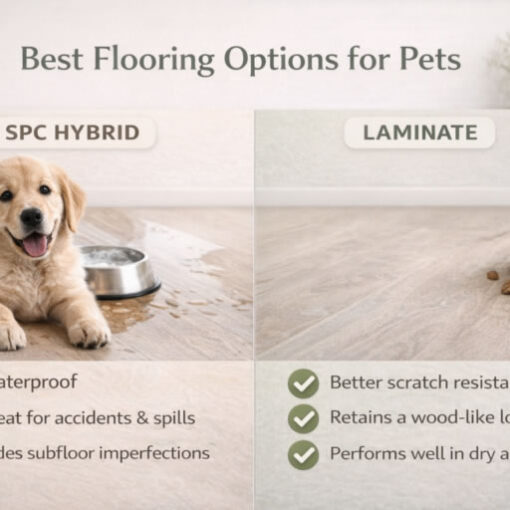
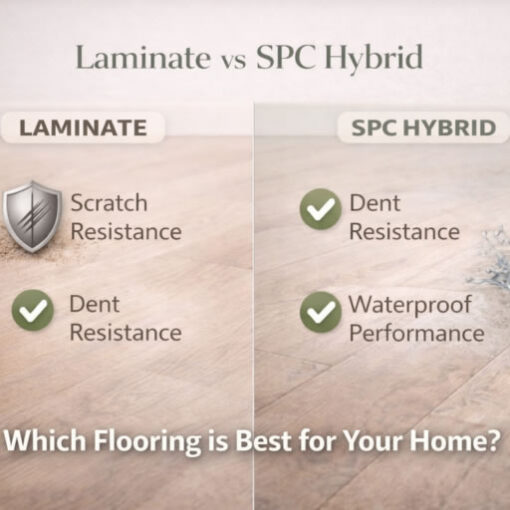
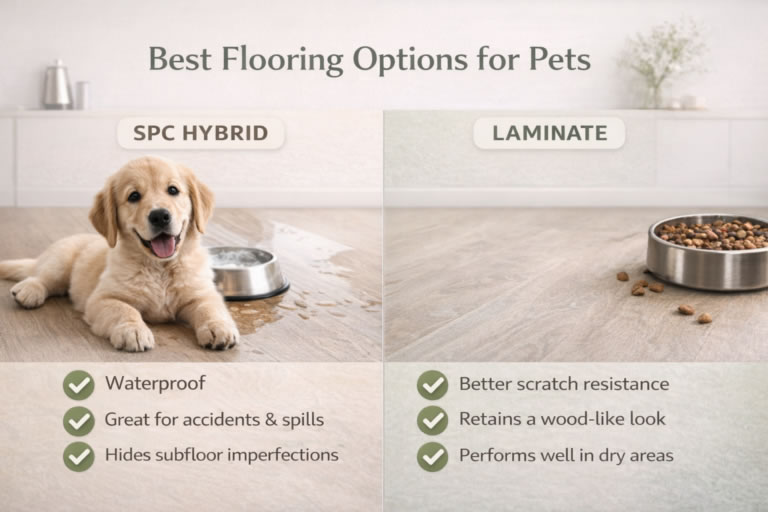
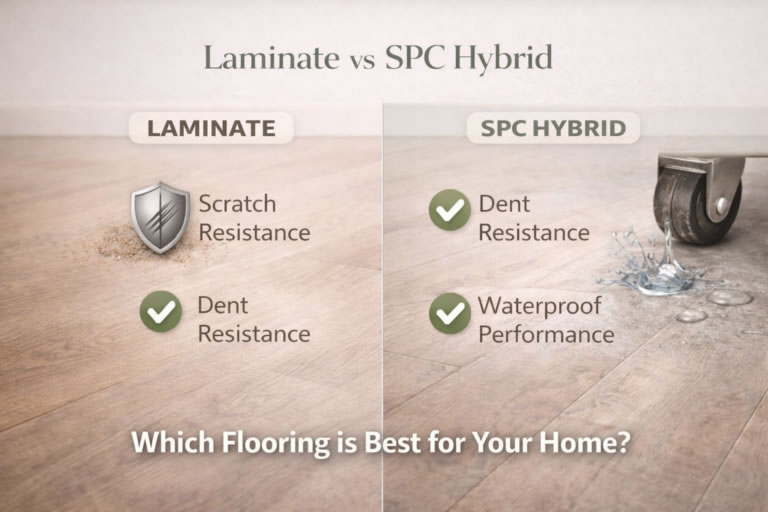
- SPC hybrid planks often come with slip ratings like R10 or R11 under common test methods, which helps in kitchens and entries.
- Laminate with embossed-in-register textures delivers surprising grip while staying budget-friendly.
Tell your supplier where the floor will live. Kitchens, entries and stairs need more bite than a spare room.
What to avoid
A short no-go list saves a lot of hassle.
- Steam mops
- Vinegar and hot water on polyurethane finishes
- Oil soaps and silicone-based polishes
- PVC rug pads
- Aerosol polishes are sprayed into the room
- Heavy water use when mopping
- Socks only on gloss finishes
If you’re unsure about a cleaner, ask the finish manufacturer or your flooring supplier before use.
Cost and impact comparison
Here’s a quick side-by-side to help with decisions.
| Fix | What it does | Typical cost in NZD | Effort | Look change | Durability | Reversible |
| Pro deep clean and residue removal | Strips films that cause slip | 4 to 8 per m² | Low | None | Months to a year | Yes |
| Screen and recoat to matte | Adds a lower sheen topcoat | 20 to 35 per m² | Medium | Low to moderate | Years | Yes |
| Anti-slip additive in topcoat | Fine texture for better grip | Add 2 to 5 per m² to recoat | Medium | Minimal | Years | Yes |
| Clear grip strips on stairs | Targeted traction | 3 to 8 per tread | Low | Low | 1 to 2 years | Yes |
| Stair nosings with inserts | Big safety gain on edges | 20 to 50 per tread | Medium | Visible | Years | Yes |
| Quality rug + rubber pad | Moisture and grit control | 60 to 200 per rug + pad | Low | Low | Years | Yes |
| Dehumidifier | Reduces moisture film | 300 to 800 once-off | Low | None | Ongoing | Yes |
| Full sand and refinish, matte | Reset surface and sheen | 50 to 80 per m² | High | Moderate | Years | Yes |
| Switch to textured SPC in wet zones | Built-in slip rating | 45 to 90 per m² supply | Medium | Varies | Years | Yes |
Values are ballpark and vary with home layout, floor area and access.
A simple test you can do at home
While not scientific, you can get a feel for changes.
- Sock slide test: Try a normal walk in cotton socks before and after cleaning. Fewer slides during toe-off usually means better grip.
- Shoe squeak test: Soft rubber soles often squeak a little when traction is good on clean, matte-coated timber.
- Water bead test: Drop two small beads of water in a corner. If the surface looks like a smooth mirror and water spreads instantly, you may be dealing with a polished or contaminated film.
If you want numbers, some flooring pros carry portable tribometers that can test your floor’s friction and provide a written result.
A practical weekly-to-yearly plan
- Daily: Vacuum traffic lanes and entry mats
- Weekly: Damp mop with pH-neutral cleaner, then rinse, dry
- Monthly: Intensively clean high-use zones, replace or wash doormats
- Quarterly: Check stairs, reapply clear strips if worn, inspect rugs and pads
- Yearly: Consider a pro deep clean, reassess the sheen and grip in kitchens and stairs
Set calendar reminders. Small, regular tasks beat occasional big efforts.
Flooring advice with stock on hand
If you’d like local advice and fast access to slip-smart flooring options, FLOORCO can help. We’re an Auckland-based supplier founded in 2015, backed by a team with more than 60 years across the flooring trade and manufacturing. That background lets us build a supply chain that starts with raw materials and runs through to finished products, which cuts costs without cutting corners.
- Over 1,000 products in the catalogue and around 300,000 square metres of ready-to-ship flooring
- Engineered wood in matte and brushed textures, SPC hybrids with R10 and R11 options, and laminates with grippy embossed surfaces
- A wide spread of colours, shades and finishes to suit baches, modern townhouses and busy family homes
- Large local warehouses for quick delivery when timing matters
If your project needs a specific look and better traction, having that stock on the ground means you’re not waiting weeks while the house stays slippery.
Common questions
- Will sanding make my floor less slippery? Yes, because you can choose a lower sheen and add micro texture. You don’t always need a full sand. A screen-and-recoat often does the trick.
- Can I make a high-gloss floor safe without changing the look? Cleaning and residue removal help. Clear additives in a fresh topcoat can lift grip with only a subtle change. Pure high-gloss will always be slicker than satin or matte.
- Do oils make floors safer? Hardwax oils at low sheen feel grippy in dry use. They need more regular care than polyurethane. Wet spills still make any surface slippery.
- Will rug pads stain my floor? Natural rubber and felt are safest. Avoid PVC pads. Always clean under rugs every month or two, especially in sunny spots.
- Are there standards for slips in homes? Building standards tend to focus on commercial areas and wet function zones. At home, aim for practical safety: good mats, low sheen, clean surfaces, and grippy stairs.
A quick safety checklist
- Swap to a pH-neutral cleaner and stop all shine polishes
- Rinse and dry after every mop
- Add quality mats at every exterior door
- Fix the stairs first with nosings and grip strips
- Drop sheen to satin or matte when recoating
- Ask for an anti-slip additive in the next topcoat
- Keep indoor humidity near 45 to 55%
- Use rubber-soled house shoes instead of socks
- Choose brushed textures and matte finishes for new installs
Small changes add up. Start with cleaning and mats today, and plan your finish tweaks when you’ve got a free weekend or a pro booked. Your floor can still look great and feel much safer underfoot.
Upgrade to Safer Wood Flooring with FLOORCO
If your current timber floors still feel slick even after cleaning and refinishing, it may be time to consider an upgrade. Modern wood flooring solutions combine natural beauty with enhanced traction — giving you the authentic timber look without the slip. Textured finishes, brushed grains, and matte coatings add a subtle grip that keeps every step secure while maintaining that warm, elegant feel underfoot.
At FLOORCO, we specialise in European-made wood flooring, laminate, and SPC hybrid options crafted for New Zealand homes. Founded in Auckland in 2015, our team brings over 60 years of flooring expertise, managing the full supply chain from materials to installation support. With over 1,000 products and 300,000 m² of ready stock, we deliver premium flooring that’s stylish, durable, and safer for Kiwi living.
Whether you’re renovating a family home, upgrading a rental, or replacing slippery timber with something more stable, FLOORCO offers wood flooring that balances design, durability, and everyday comfort.
Visit our Auckland showroom or browse our online range to discover textured wood flooring and laminate styles that stay beautiful — and steady — for years to come.

Editor: Terry Shi
The founder of FLOORCO with a strong industry background and substantial supply chain resources.