Walk into a busy Auckland café, retail shop, office, or family home, and you will quickly see how much pressure flooring has to handle. High heels, muddy shoes, trolleys, pets, spilt coffee, moving chairs, school bags, and constant foot traffic can all test a floor over time.
Choosing a floor for high-traffic areas is not only about finding something that looks good on day one. It is about choosing a product that can handle everyday use, remain easy to maintain, and still suit the design of the space.
This is one reason SPC flooring has become a popular option in New Zealand homes and commercial interiors. But is SPC flooring really suitable for high-traffic areas, or is it simply another marketing trend?
The answer depends on the product specification, the installation method, the subfloor condition, and the way the space is used. SPC can be a practical choice for many busy areas, but it still has limits that should be understood before choosing it.
What Exactly Is SPC Flooring?
SPC stands for Stone Plastic Composite. It is a rigid vinyl plank flooring product made with a mineral-filled core, commonly using limestone powder, PVC, and stabilisers.
Most SPC flooring products are built with several layers, which may include:
A clear wear layer to help resist everyday scuffs and surface wear.
A decorative film that provides a timber, stone, or tile-look appearance.
A rigid SPC core that gives the plank its structure and stability.
An attached backing or underlay in many product ranges, which may help with comfort and walking sound.
SPC flooring is often installed as a floating click-lock floor. This can make installation efficient, especially in residential and light commercial spaces where the subfloor has been properly prepared.
SPC is valued for its water-resistant core, practical maintenance, rigid construction, and broad design range. However, it should not be described as a completely waterproof installed flooring system. Joints, edges, perimeters, wet-area detailing, attached backing, substrate moisture, and installation quality still matter.
Why SPC Flooring Is Often Chosen for Busy Spaces
SPC flooring is commonly selected for high-use areas because it offers a practical mix of performance and convenience.
For many homes and commercial interiors, the main advantages are:
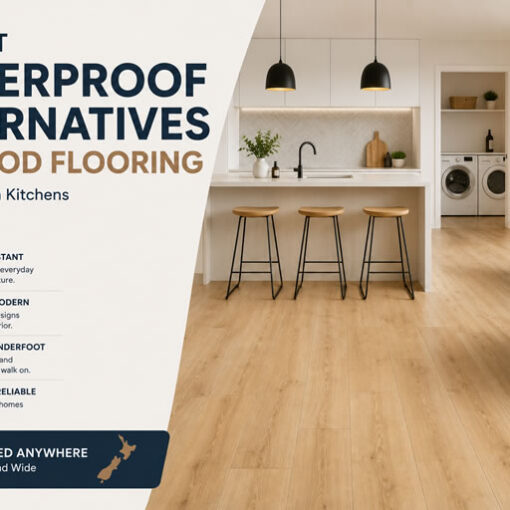
Better resistance to everyday moisture than timber-based flooring products.
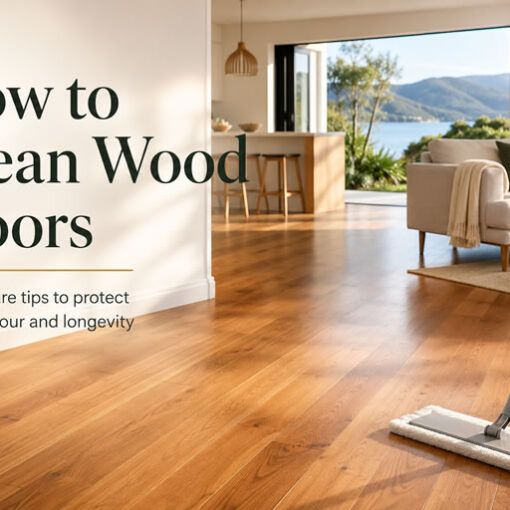
Simple cleaning, usually with regular sweeping, vacuuming, and damp mopping using a suitable cleaner.
A rigid core, which can provide a stable feel when installed over a flat, dry, and properly prepared subfloor.
A wide range of timber-look and stone-look designs, allowing it to suit many interior styles.
Efficient installation, particularly where a floating click system is suitable.
These advantages make SPC flooring attractive for areas such as:
family living areas
rental properties
retail spaces
offices
kitchens
laundries
entries
hallways
showrooms
light commercial spaces
However, SPC is not automatically suitable for every high-traffic environment. Product thickness, wear layer, locking strength, subfloor flatness, sunlight exposure, temperature conditions, and maintenance all affect the final performance.
How SPC Flooring Handles High Foot Traffic
High-traffic flooring needs to cope with repeated movement, surface wear, dirt, grit, and cleaning.
SPC flooring can perform well in busy spaces when the product is correctly specified. The wear layer plays an important role because it helps protect the decorative surface from everyday scuffing and abrasion.
For residential and light commercial areas, it is important to check:
wear layer thickness
surface coating
overall plank thickness
locking system strength
commercial suitability
warranty terms
cleaning and maintenance requirements
A thicker product or stronger wear layer does not make the floor damage-proof, but it can improve suitability for heavier use. In busy spaces, poor maintenance can also shorten the life of the floor. Grit, sand, chair movement, and dragging furniture can still damage the surface if the floor is not protected.
For this reason, entry mats, felt pads, chair protection, regular vacuuming, and suitable cleaning are still important.
Water Resistance in Everyday Use
One of SPC flooring’s strongest advantages is its water-resistant core.
Compared with laminate flooring and timber flooring, SPC is generally more tolerant of everyday spills, wet shoes, damp mopping, and moisture-prone household conditions.
This makes it useful in areas such as:
entries
kitchens
laundries
rental homes
family homes with pets or children
some light commercial interiors
However, water resistance should not be confused with unlimited waterproofing.
SPC flooring can resist everyday moisture exposure better than many timber-based products, but standing water, leaks, poor perimeter sealing, wet-area detailing, subfloor moisture, and incorrect installation can still affect the flooring system and surrounding building elements.
In bathrooms, laundries, or other wet areas, the product and installation system must be suitable for that location. SPC flooring is not a substitute for a required wet-area membrane where one is required by building or installation requirements.
Scratch, Dent, and Impact Resistance
SPC flooring can offer good everyday durability, but it should not be presented as the strongest flooring product in every category.
For scratch resistance, SPC generally performs better than solid timber flooring, but high-quality laminate flooring may perform better, especially products with strong wear ratings and melamine surfaces.
For dent and impact resistance, SPC can also perform better than many softer timber-based flooring products. However, heavy point loads, sharp objects, dragging furniture, rolling chairs without protection, or commercial equipment can still mark or damage the floor.
A practical way to understand the comparison is:
SPC is strong for moisture resistance and easy maintenance.
Laminate is often stronger for surface scratch resistance.
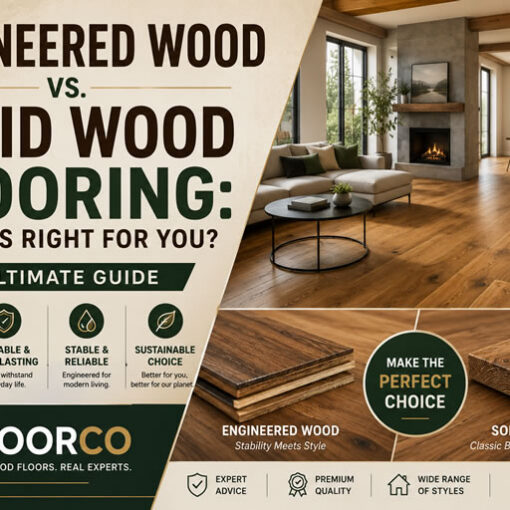
Engineered wood offers real timber warmth and repairability, but needs more care with moisture and impact.
Tile is highly durable and water-resistant, but can feel harder and colder underfoot.
The right choice depends on the room, the expected use, and the level of maintenance the owner is prepared to follow.
Comparison with Other High-Traffic Flooring Types
| Feature | SPC Flooring | Laminate Flooring | Engineered Wood | Tile |
|---|---|---|---|---|
| Water resistance | High for everyday spills, subject to correct installation | Product-dependent; HDF core needs protection from standing moisture | Moderate; spills should be wiped promptly | Very high where correctly installed |
| Scratch resistance | Good, depending on wear layer and coating | Often very good with higher-rated products | Varies by timber species and finish | High |
| Dent / impact resistance | Good compared with many timber products, but not damage-proof | Often strong, depending on product quality | Varies; softer timber can dent | Very high |
| Comfort underfoot | Firm and usually cooler | Warmer and more plank-like | Warm and natural | Hard and cold |
| Surface realism | Timber-look or stone-look surface | Often strong timber-look realism | Real timber surface | Real tile surface |
| Installation ease | Often efficient with floating click systems | Often efficient with floating click systems | More installation-sensitive | More labour-intensive |
| Maintenance | Simple routine; avoid harsh chemicals and standing water | Simple routine; control moisture | More care required | Simple but grout may need care |
| Best use | Busy family areas, entries, kitchens, laundries, rental homes, light commercial spaces | Dry family areas, bedrooms, offices, living rooms | Living spaces, bedrooms, feature areas | Bathrooms, wet areas, kitchens, commercial areas |
This comparison is general only. Actual performance depends on the product, installation method, site conditions, and maintenance routine.
SPC flooring may be suitable for many high-use spaces, but the correct product must be selected.
For commercial or semi-commercial areas, it is important to confirm whether the product is rated for the intended use. A small office, showroom, or boutique retail space is different from a commercial kitchen, gym, supermarket, or heavy equipment area.
Before using SPC in a commercial space, check:
whether the product is approved for commercial use
wear layer thickness
warranty conditions
subfloor flatness requirements
chair and castor protection requirements
cleaning method
sunlight and heat exposure
expected traffic level
SPC can be a practical option for many retail and office settings, but it should not be treated as a replacement for tile, polished concrete, or commercial vinyl in all environments.
Installation Matters More Than Many People Expect
SPC flooring is often promoted as easy to install, but installation quality still matters.
Because SPC is a rigid floating floor, the subfloor must be flat, dry, clean, and stable. If the substrate has dips, ridges, moisture issues, or movement, the finished floor may develop problems such as:
clicking sounds
joint stress
gapping
peaking
movement underfoot
locking damage
localised failure
Thicker SPC flooring may feel more substantial, but it does not solve poor subfloor conditions. Proper preparation is still required.
Expansion allowance is also important. SPC can be affected by heat build-up and strong direct sunlight. In rooms with large glazing, dark colours, or strong afternoon sun, the installation should allow for movement, and shading may be needed.
Maintenance in Busy Areas
SPC flooring is relatively easy to maintain, but low maintenance does not mean no maintenance.
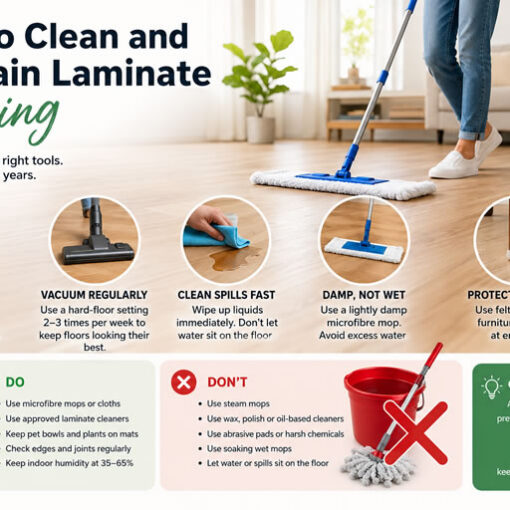
A sensible care routine includes:
using entry mats to reduce grit and moisture
sweeping or vacuuming regularly
using a pH-neutral cleaner suitable for vinyl flooring
wiping spills promptly
fitting felt pads under furniture
using chair mats or suitable castors where needed
avoiding dragging heavy objects
avoiding steam mops and harsh chemicals
Grit is one of the biggest causes of surface wear in high-traffic areas. In cafés, retail spaces, entries, and homes near the beach, regular cleaning and good entrance matting can make a significant difference.
When SPC Flooring May Not Be the Right Fit
Even a good SPC flooring product has limitations.
SPC may not be the best option where there is:
very heavy rolling equipment
commercial gym equipment
extreme heat or direct sunlight exposure
poorly prepared or uneven subfloors
heavy point loads without protection
standing water or unresolved moisture problems
commercial kitchens or industrial environments
areas requiring a specific slip or fire rating unless tested documentation is available
Strong sunlight can cause fading or colour change over time, and heat build-up may increase the risk of movement or localised distortion. Darker colours may absorb more heat, so colour choice and window shading should be considered carefully.
Style and Design Options
SPC flooring is available in a broad range of timber-look, stone-look, and modern interior finishes.
Common design options include:
natural oak tones
light coastal colours
grey and taupe finishes
rustic timber looks
wide plank formats
herringbone designs
stone or tile-look styles
Modern printing and surface textures have improved significantly, but SPC should still be understood as a printed decorative surface, not real timber. Its visual realism and surface feel are generally lower than real wood, and high-quality laminate may sometimes provide stronger timber-look texture depending on the product range.
For high-traffic spaces, colour choice matters. Mid-tone colours and matte finishes often hide dust, minor marks, and daily wear better than very dark or very pale floors.
Indoor Air, Sustainability, and Product Information
Indoor air quality and environmental claims should be treated carefully.
SPC flooring generally has a lower formaldehyde concern than HDF-based laminate flooring because it does not use an HDF wood-fibre core in the same way. However, SPC is still a manufactured flooring product, so customers should check product documentation relating to:
VOC emissions
plasticiser information where available
phthalate-free claims where supported
fire performance where relevant
slip resistance where relevant
warranty and care instructions
Avoid assuming that all SPC flooring is automatically environmentally friendly. Any sustainability or health-related claim should be supported by product certification or supplier documentation.
Why Work with FLOORCO?
Choosing flooring for high-traffic spaces is easier when you can compare different specifications side by side.
FLOORCO is a New Zealand flooring supplier based in Auckland. Since 2015, FLOORCO has developed a broad flooring range across SPC hybrid flooring, laminate flooring, engineered wood flooring, tiles, and related flooring products.
With broad stock availability and a large Auckland warehouse, FLOORCO can help homeowners, builders, designers, and commercial customers compare products by:
wear layer
thickness
surface finish
colour
plank size
installation method
commercial suitability
maintenance requirements
This helps customers choose flooring based on how the space will actually be used, rather than relying on appearance alone.
Final Word
SPC flooring can be a practical option for many high-traffic areas, including busy family homes, rental properties, retail spaces, offices, showrooms, kitchens, laundries, and entries.
Its main strengths are water resistance, easy maintenance, practical durability, and design flexibility.
However, SPC is not indestructible. It still requires the right product specification, correct installation, a flat and stable subfloor, proper expansion allowance, suitable cleaning, and protection from excessive heat or heavy point loading.
If you are choosing a floor for a busy space, the best approach is to compare products carefully, check the technical information, and match the flooring to the actual conditions of the room.
A FLOORCO showroom visit can help you compare SPC, laminate, engineered wood, and tile options side by side, so you can choose a floor that looks good and performs well in everyday life.

Editor: Terry Shi
The founder of FLOORCO with a strong industry background and substantial supply chain resources.