Hardwood flooring can completely transform the look and feel of a room. The right flooring colour, texture, grade, and installation method can add warmth, character, and long-term value to your home.
However, choosing hardwood flooring is not only about selecting a colour you like. Different timber species, surface finishes, plank sizes, grades, and installation methods can all affect how the floor looks, performs, and suits your lifestyle.
Here are some key points to consider when choosing hardwood flooring for your home.
1. Consider the Overall Style
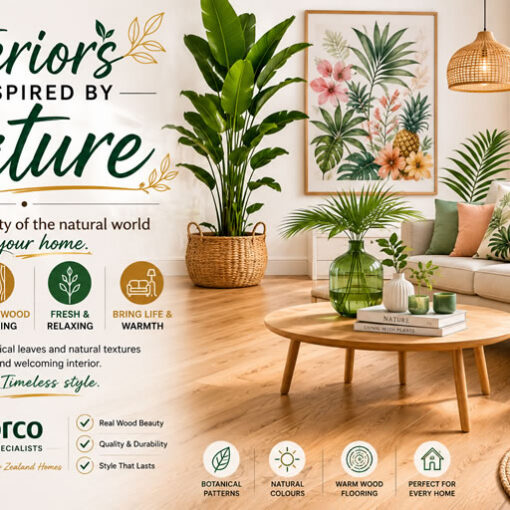
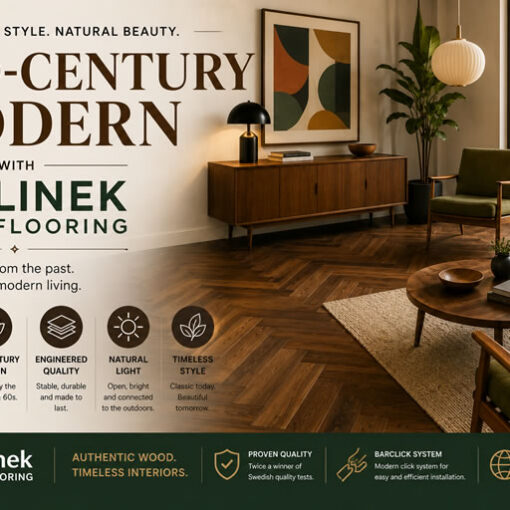
Hardwood flooring is available in many different styles, from light and natural tones to deeper, warmer colours. The right choice will depend on the size of the room, the amount of natural light, the furniture, and the overall interior design.
Lighter floors can help make a room feel brighter and more open, while darker tones may create a warmer and more dramatic appearance.
There is no single best colour or style for every home. The goal is to choose a floor that complements your interior and remains visually appealing over time.
2. Choose the Right Colour
Flooring should work with the rest of the room, including wall colours, cabinetry, furniture, and lighting.
Common hardwood flooring colours include natural oak, warm brown, smoked tones, grey tones, whitewashed finishes, and darker stained options. Before making a final decision, it is always best to view physical samples in your own space, as flooring can look different under natural light, artificial light, and showroom lighting.
For busy family homes or homes with pets, mid-tone or lighter floors may help make small scratches, dust, and everyday marks less noticeable than very dark, glossy finishes.
3. Think About Texture
Texture plays an important role in the final appearance and feel of hardwood flooring.
Smooth finishes create a clean and refined look, while brushed, deep-brushed, distressed, hand-scraped, or sawn textures can add character and make the floor feel more natural.
The best texture depends on the style of the home and how the space will be used. For example, a smoother finish may suit a modern interior, while a brushed or textured surface can work well in family homes because it may help disguise minor marks from everyday use.
4. Select the Right Timber Species
Hardwood flooring is available in many timber species, including oak, maple, walnut, hickory, birch, and other hardwoods. Each species has its own grain pattern, colour tone, hardness, and visual character.
European oak is a popular choice because of its attractive grain, versatile colour range, and suitability for many interior styles. Other species may offer different levels of hardness, colour variation, or feature grain.
When choosing a timber species, consider both appearance and practical use. The right option should suit your design preference, budget, and lifestyle requirements.
5. Understand the Subfloor
The type and condition of the subfloor are important when selecting hardwood flooring.
Concrete, plywood, particleboard, and timber subfloors may each require different preparation and installation methods. Before installation, the subfloor should be clean, dry, flat, stable, and suitable for the flooring system.
Moisture levels should also be checked, especially over concrete substrates. If the subfloor is not properly prepared, it can affect the performance of the flooring and may lead to movement, gaps, squeaking, cupping, or bonding issues.
Always confirm that the selected hardwood flooring is suitable for the existing subfloor and intended installation method.
6. Choose the Right Grade
Timber flooring grades are usually based on the amount of knots, sapwood, colour variation, grain variation, and natural features present in the boards.
A cleaner grade, such as Prime or AB Grade, generally has fewer knots and more consistent colour. Character or Rustic grades usually include more natural variation, knots, and feature marks.
Neither option is automatically better. It depends on the look you want to achieve. If you prefer a clean and consistent appearance, choose a higher grade. If you want a more natural or rustic style, a character grade may be more suitable.
When selecting timber grade, it is helpful to view larger sample boards or multiple planks, as small samples may not show the full range of natural variation.
7. Installation Method Matters
Installation is just as important as the flooring product itself.
Hardwood flooring may be installed using different methods, such as glue-down, floating, or nail-down installation, depending on the product construction, subfloor type, plank size, site conditions, and manufacturer’s instructions.
Some engineered wood flooring products are suitable for floating installation, while others may perform better as a glue-down system. Larger areas, wider boards, herringbone patterns, stairs, and commercial applications may require more careful installation planning.
A professional installer can assess the subfloor, layout, expansion requirements, adhesive suitability, moisture conditions, and detailing around walls, doors, trims, and transitions.
8. Consider Maintenance Requirements
Hardwood flooring needs proper care to maintain its appearance and performance.
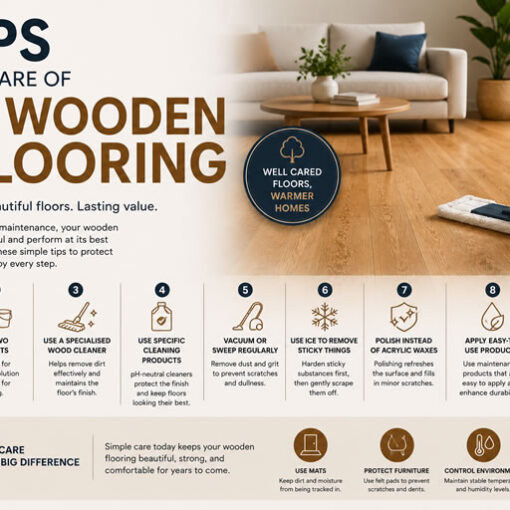
Regular sweeping or vacuuming helps remove dust and grit. A slightly damp mop may be used where suitable, but excessive water should always be avoided. Spills should be cleaned promptly.
Different finishes also require different maintenance. Lacquered or polyurethane-finished floors are generally easier to clean, while oiled or hardwax-oiled floors may require more specific maintenance products and periodic care.
Before choosing a hardwood floor, make sure the maintenance requirements suit your lifestyle.
9. Choose a Reliable Supplier
When buying hardwood flooring, it is important to choose a reliable supplier that can provide clear product information, installation guidance, maintenance instructions, and warranty details.
A good supplier should help you understand the product specification, timber grade, surface finish, installation requirements, and suitability for your project.
The right flooring choice should not only look good on the first day but also suit your home, your subfloor, your lifestyle, and your long-term expectations.
Final Thoughts
Hardwood flooring can add natural warmth, elegance, and long-lasting appeal to your home. However, the best result comes from choosing the right colour, texture, timber species, grade, installation method, and maintenance system.
Before making a final decision, view samples in person, consider your room conditions, and seek professional advice if you are unsure.
A well-selected and properly installed hardwood floor can become one of the most beautiful features of your home.